
Sjögren’s symptoms differ by sex, but overall impact similar
Study findings could lead to more tailored approaches to care
Written by |
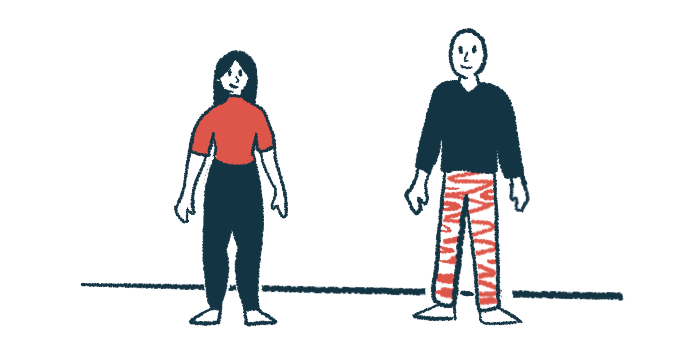




Women and men with Sjögren’s disease may experience the condition differently, particularly in the type and severity of symptoms and the organs affected, a study in the Netherlands suggests.
While women were more likely to report dry eyes and dry mouth — the hallmark Sjögren’s symptoms — and to experience more severe dryness, men were more likely to have involvement of the lungs and peripheral nervous system, which lies outside the brain and spinal cord. Despite these differences, overall health status and quality of life were similar between women and men, data showed.
Improving “knowledge about these sex-related differences” may lead to a better understanding of the disease and support more tailored approaches to care, researchers wrote.
The study, “Sex differences in patient-reported outcome measures and clinical parameters in patients with Sjögren’s disease,” was published in the journal Seminars in Arthritis and Rheumatism.

Sjögren’s predominantly affects women
In Sjögren’s, the immune system mistakenly attacks the body’s moisture-producing glands, including the tear and salivary glands. This leads to hallmark symptoms such as dry eyes and dry mouth, though the disease can also affect other tissues and organs.
Although Sjögren’s predominantly affects women, men can also develop the disease, and previous studies suggest that it may present differently between sexes. However, most research to date has focused on individual aspects of the disease rather than providing a comprehensive overview of disease differences between sexes, the researchers noted.
To address this gap, a team of researchers examined patient-reported outcomes and clinical test results of 405 people with primary Sjögren’s (when it occurs on its own) who were seen at the University Medical Center Groningen in the Netherlands. All were participating in one of two registry studies, with data collection ranging from January 2016 to April 2023.
A total of 360 participants (89%) were women and 45 (11%) were men. At the time of analysis, diagnostic classification scores, age, smoking status, and use of immunosuppressive treatments were similar between men and women.
The question remains to what extent these differences are driven by factors such as sex-specific illness perception, [simultaneous health conditions], and hormonal differences.
Women, however, develop symptoms significantly earlier, with a median onset age of 37 years compared with 51 years in men, and were also diagnosed at a younger age (median of 47 vs. 55 years). Still, they experienced a significantly longer delay between symptom onset and diagnosis (median of five vs. three years).
Regarding symptoms, women were significantly more likely than men to report dry mouth (87.6% vs. 68.9%) and dry eyes (77.4% vs. 52.3%). They also rated their symptoms as more severe, largely due to greater eye and mouth dryness rather than an overall increase in symptom burden.
The severity of fatigue and pain — two others common Sjögren’s symptoms — was similar between sexes.
“The question remains to what extent these differences are driven by factors such as sex-specific illness perception, [simultaneous health conditions], and hormonal differences,” the researchers wrote, adding that sex hormones may influence both eye and mouth dryness and how these symptoms are perceived.

Female Sjögren’s patients had significantly lower saliva production
The team also noted that saliva production is generally lower in women than in men, which may contribute to the greater reported dryness. In line with this, female Sjögren’s patients in the study had significantly lower saliva production than their male counterparts, indicating worse salivary gland function. However, imaging and tissue analyses of the salivary glands did not show meaningful differences between sexes.
When examining how the disease affected different parts of the body, overall disease activity was similar between the sexes. However, men were significantly more likely to show involvement of the lungs (6.7% vs. 1.7%) and the peripheral nervous system (11.1% vs. 3.4%).
The presence of simultaneous health conditions was similarly high in both groups (83% in women vs. 84.1% in men). Still, women were significantly more likely to have swollen joints (8.5% vs. 0%) and tender points, or areas of the body that are painful when pressed (46.6% vs. 30.2%).
Despite these differences in symptoms and clinical presentation, the overall impact of the disease was comparable between sexes. Measures of health status and quality of life were similar in men and women, which the researchers suggested may be related to the comparable levels of fatigue and pain between the groups.
About 70% of both women and men reported that their symptoms were in an acceptable state, indicating a similar perceived disease burden. The researchers noted that women’s longer disease duration may have allowed them to develop coping strategies or adapt their lifestyles over time, which could help explain this finding.
Further analyses confirmed that the higher burden of eye and mouth dryness and reduced saliva production in women, as well as the greater likelihood of lung and peripheral nervous system involvement in men, were not explained by differences in disease duration.
The findings show that while Sjögren’s may present differently in men and women, its overall impact is similar.
“More knowledge about these sex-related differences is of importance for patient-centered care,” the researchers wrote.

Amanda Gruindelingh
I need something to make me sleep at night. I notice my beain doesn't swith of at all. Aware of all my surroundings. And alsoAwake several times with the dryness. What can I use to ease this??? Im from Sourh Africa drs not so familiar with Sjogrens. Any advice will help.