
Scientists spot self-reinforcing immune loop behind Sjögren’s
Mutual T-cell and B-cell activation keeps the disease-driving cycle going
Written by |
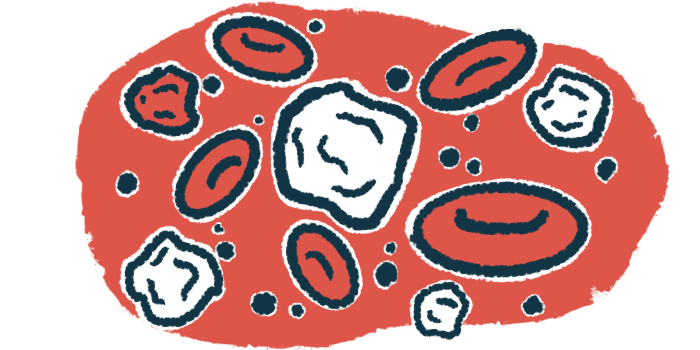




A self-perpetuating loop where T-cells and B-cells continuously activate each other may contribute to the development of Sjögren’s disease, according to a cell-based study that uncovers a potential new target for selective therapies.
Led by scientists at Keio University School of Medicine, in Tokyo, Japan, a research team analyzed interactions between immune cells from people with Sjögren’s. They found evidence of a self-perpetuating loop of autoimmune activity that could amplify autoimmune responses over time, leading to disease development.
“If [this] loop we identified can be interrupted, it may be possible to selectively suppress disease-causing autoimmune responses without impairing normal immune function,” Masaru Takeshita, MD, PhD, the study’s first author and an assistant professor at Keio University School of Medicine, said in a university press release. “Such approaches could potentially reduce the risk of infections and other complications associated with systemic [body-wide] immunosuppression.”
The study, “Identification of a shared antigen linking CD4+ T and B cell pathology in Sjögren’s disease,” was published in Science Advances.

The search for precise autoimmune targets
In Sjögren’s, the immune system mistakenly attacks healthy parts of the body, most commonly the tear and salivary glands. The underlying causes of this autoimmunity remain unclear, making it difficult to treat.
“Currently, therapies for Sjögren’s disease suppress immune responses broadly, affecting both harmful and protective immune functions,” Takeshita said. Identifying the specific autoimmune processes that contribute to the disease could help provide new targets for experimental medications.
Antigens are molecules that can be recognized by immune cells, prompting them to mount an immune response. B-cells, the immune cells responsible for producing antibodies, bind to an antigen and form immune complexes. Then, antigen-presenting cells, or APCs, process these complexes and use a molecule called human leukocyte antigen (HLA) to display the antigen on their surface.
Then, immune T-cells, which can regulate the activity of other immune cells or directly kill microbes or other cells, use specialized receptor proteins (T-cell receptors, or TCRs) to recognize the antigens and coordinate an immune response.
In people with Sjögren’s, B-cells often produce self-reactive antibodies against a protein called Ro60, making it an autoimmune antigen. However, the precise effects of anti-Ro60 antibodies on the immune landscape in Sjögren’s have remained unclear.
Simply put, this process forms a self-reinforcing loop, sustaining autoimmune responses and contributing to chronic disease.
In the present study, the team began by identifying TCRs that responded to Ro60. They collected salivary gland samples from people with Sjögren’s who tested positive for anti-Ro60 antibodies. Then, they isolated a subset of T-cells, known as T helper cells (Th cells) that cannot kill other cells, but help coordinate other immune cells, including B-cells.
The researchers identified more than 200 TCRs in these Th cells and exposed each receptor to Ro60 fragments presented by a patient’s individual HLA type. A total of 13 receptors were found to respond to Ro60 fragments. T-cells from Sjögren’s patients who didn’t test positive for anti-Ro60 antibodies didn’t carry Ro60-specific TCRs.
This suggested that Th cells in Sjögren’s patients with anti-Ro60 antibodies use these 13 TCRs to recognize Ro60. To confirm this, the team conducted cell-based experiments involving APCs and immune complexes containing the full-length Ro60 protein, the form produced in the body.
APCs efficiently processed Ro60-containing immune complexes and presented the antigen using HLAs. As expected, Th cells carrying the identified Ro60-specific TCRs were activated in response to these APCs.
Further experiments showed that most Th cells with Ro60-responsive TCRs were peripheral or follicular Th cells, two subsets known to coordinate antibody-mediated immune responses by promoting B-cell activation and maturation.
In the context of Sjögren’s, this could promote production of anti-Ro60 antibodies. More anti-Ro60 antibodies would mean greater internalization of Ro60-containing immune complexes by APCs and greater activation of Ro60-reactive T-cells, which would, in turn, further increase B-cell production of anti-Ro60 antibodies.
“Simply put, this process forms a self-reinforcing loop, sustaining autoimmune responses and contributing to chronic disease,” Takeshita said.
Implications for multiple genetic backgrounds
Genetic variants of HLA, called HLA alleles, often differ with geographical and ethnic background. Because most of the experiments involved samples from Japanese patients with Sjögren’s, the team then aimed to replicate the process in cells from Caucasian patients with Sjögren’s.
They found that the Ro60-specific TCRs and autoimmune loop were present in these samples as well. This suggests that this process is pertinent to people of multiple genetic backgrounds. As such, interrupting the process could be a broadly relevant therapeutic strategy.
“This raises the possibility that a single TCR-based therapy could be applicable to patients carrying structurally similar HLA alleles,” the team wrote.
While this pathway could help explain the development of autoimmunity in Sjögren’s, future studies are needed to validate the findings and determine their significance in people with Sjögren’s.
“In conclusion, we provide the first direct molecular evidence that [Th cells] and B cells infiltrating the lesions of systemic autoimmune diseases [such as Sjögren’s] coordinate immune responses against a shared antigen,” the researchers wrote. “This approach is applicable to other systemic autoimmune diseases and offers important insights for the development of future antigen-specific therapies.”


Christina Upton
Having being diagnosed with Sjogrens in 2004 following a lip biopsy and blood tests I have been struggling with multiple effects apart from joint, eye, mouth, and nose.
I initially contracted Cellulitis, then Sarcoidosis granulomas on my lungs and latterly skin leaving facial and bodily scarring.
.
In 2006 I had Hodgekins Lymphoma along with breast cancer, frequent Cellulitis and
Lymphodema.
2010 T cell rich large B cell Non Hodgkins Lymphoma (R-CHOP).
2015 (R-DHAP) relapse. Non Hodgekins
Continuing Cutaneous Sarcoidosis and Sjogrens symptoms since trying all the recommended medication to no avail. Recent MRI, CT, PET scans show a Lymphoma in my Lymphedema right thigh, that they are treating as watch and wait for now.
I am mentioning all this as I put down a lot of these problems to Sjogrens that has left the door open to these other diseases.
Any treatment that is possible I would love to join any trial that may be needed as the last twenty years have been fairly traumatic overall and I would love to help future people out to have to go through.
Therese Clancy
I was diagnosed in the early 1980's. Nothing was ever said to me about the link. With lymphoma. I am now undergoing chemo for aggressive rare leg type lymphoma which I discovered by accident.
Gloria Rubietta
I pray this will help all the people suffering with this horrible disease. It has attacked so many of my organs, and the extreme fatigue is aweful.
Claire Ditzel
I have been b on Mounjaro for 2 years for diabetes. After 18 months my Sjogrens went into remission. All my inflamatory markers returned to normal except ANA which was 1:40., almost normal. My dry eye doctor said the inflammation is gone and I no longer use eye drops. I have saliva and tears again.
Betsy Hamilton
I would like to know of resources and support groups for people with Sjogren's disease. I live in Pasadena, California.
Pamela Sprosty
For a couple of years, I've been treated for Sjogren's. I just saw my rheumatoligist and she told me I didn't have Sjogren's - that I had Sicca and that both are treated the same way. I'm confused. How are they the same but different?